
Valley of the Kings — Which Tombs to See and How to Plan Your Visit
Published October 27, 2026
 The tour from this guideHalf Day Tour: Valley of the Kings and Hatshepsut Temple & Mamnon★ 5.0 (489)from€13See tour & book
For about five hundred years, the pharaohs of the New Kingdom were buried in a dry, hidden valley behind the cliffs of Luxor's West Bank. More than sixty tombs have been found there, from simple pits to long corridors painted from floor to ceiling. Visiting is unforgettable, but it helps to know how it works before you arrive.
How the ticket works
The standard ticket covers a set number of tombs, usually three, chosen from those open that day. A few of the most famous tombs need a separate ticket. Which tombs are open changes on a rotation, to protect the paintings, so the list on the day is what counts. Check the current prices and the open tombs before you go.
Tombs worth choosing
Every open tomb is impressive, but some stand out:
- Ramses IV (KV2) — near the entrance, wide and brightly painted. A good first tomb.
- Ramses IX (KV6) — a long, decorated corridor that shows the classic layout of a royal tomb.
- Merenptah (KV8) — deep and grand, with a huge granite sarcophagus lid.
- Ramses III (KV11) — known for its unusual side chambers and scenes.
Among the separate-ticket tombs:
- Seti I (KV17) — the longest and among the most beautifully decorated in the valley. Expensive, and for many people worth every pound.
- Tutankhamun (KV62) — small and simple compared with the others, but it is the tomb of the boy king, and his mummy still lies inside.
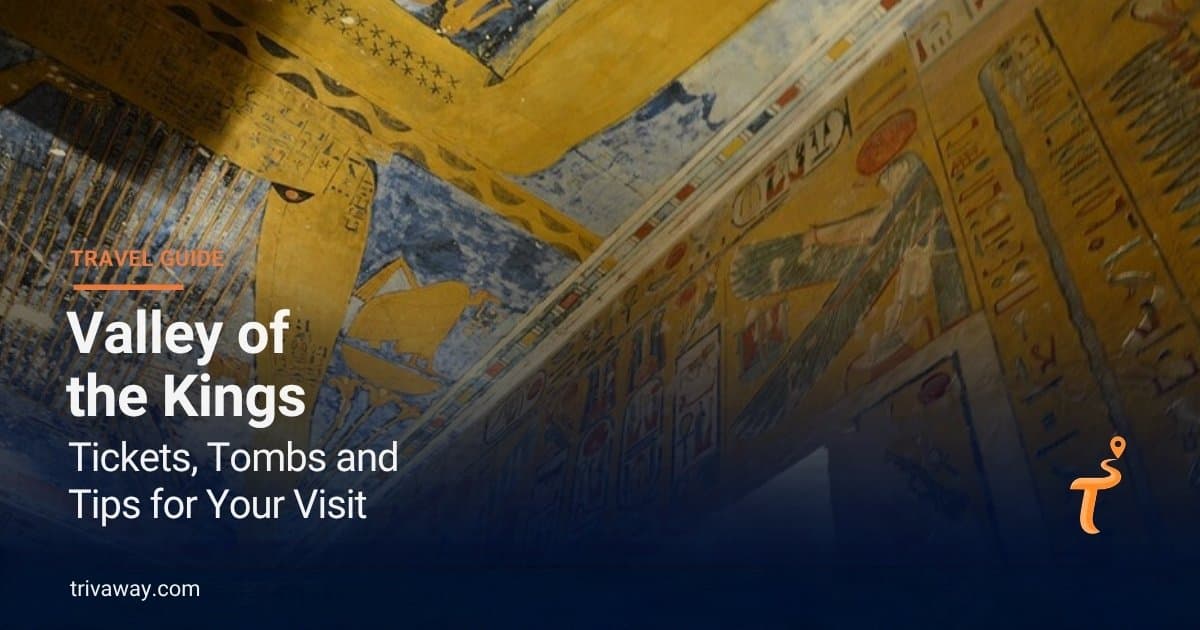
- Ramses VI (KV9) — its ceilings are covered in astronomical scenes, among the finest in Egypt.
The best time to go
Arrive when the site opens. The valley is a sun trap, and by late morning it is hot and busy. Inside the tombs the air can be warm and still, so go slowly and drink water between visits.
Photography
Rules on photography inside the tombs change from time to time and sometimes need an extra photo ticket. Flash is never allowed: it damages the paint. Ask at the ticket office or your guide on the day.
What else is on the West Bank
The valley pairs naturally with the rest of the West Bank:
- The Temple of Hatshepsut at Deir el-Bahari, set against its cliff.
- The Colossi of Memnon, two giant seated statues by the road.
- Medinet Habu, the temple of Ramses III, with some of the best-preserved colours anywhere.
- The Valley of the Queens and the tombs of the nobles, for a quieter visit.
A hot-air balloon at sunrise over the West Bank is a wonderful way to start the day. (See our balloon guide.)
Tips
- Go with a guide. The scenes on the walls are a story, and a guide reads it to you.
- Wear comfortable shoes and a hat, and take water, sunscreen and some small cash.
- Keep your ticket with you; it is checked at each tomb.
Plan your West Bank day
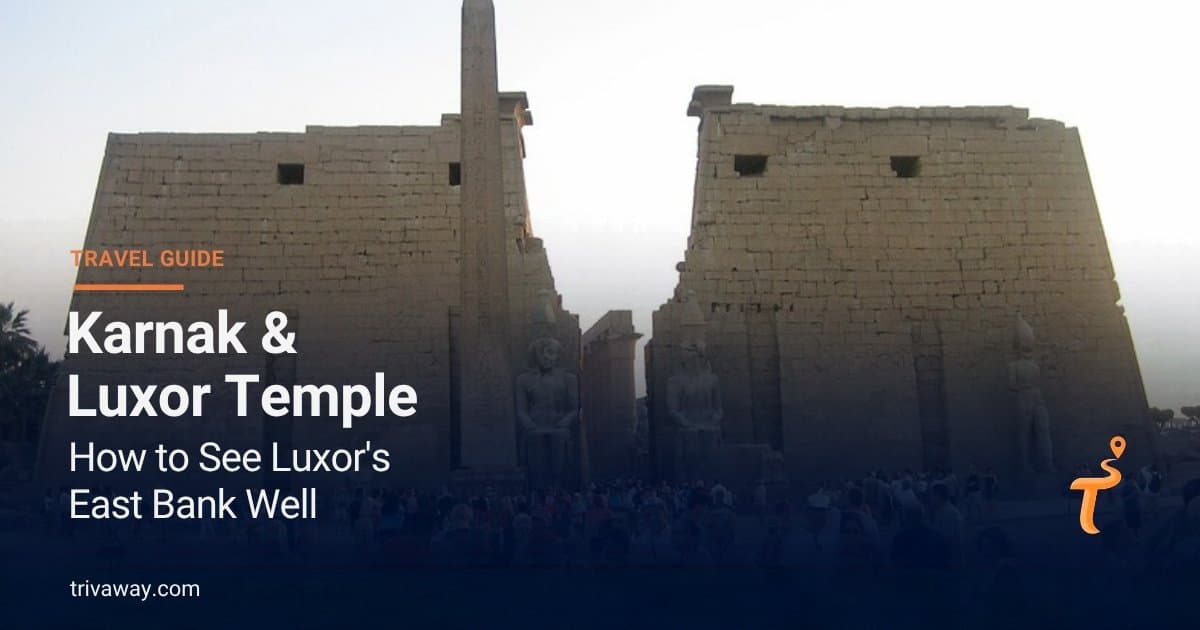
Compare the best-rated Luxor tours, with real traveller reviews. For the East Bank, read our guide to Karnak and Luxor Temple.
Photos: Darer101 (CC BY-SA 4.0); Carole Raddato from Frankfurt, Germany (CC BY-SA 2.0), via Wikimedia Commons.